Varna or Burgas
Both cities have an airport with summer direct flights. The north is quieter and greener; the south has the most famous old towns.
Varna and the north
Varna’s Sea Garden and the museum with the Varna gold; nearby Golden Sands, Aladzha Monastery, Balchik and Cape Kaliakra.
Burgas and the south
Burgas and its bird-filled lakes; Nessebar (UNESCO), Sozopol, Sunny Beach and the Ropotamo.
Ready-made route: South coast in 2 days
Prices, opening hours and entry rules change — check official sources before you travel.
Places in this article
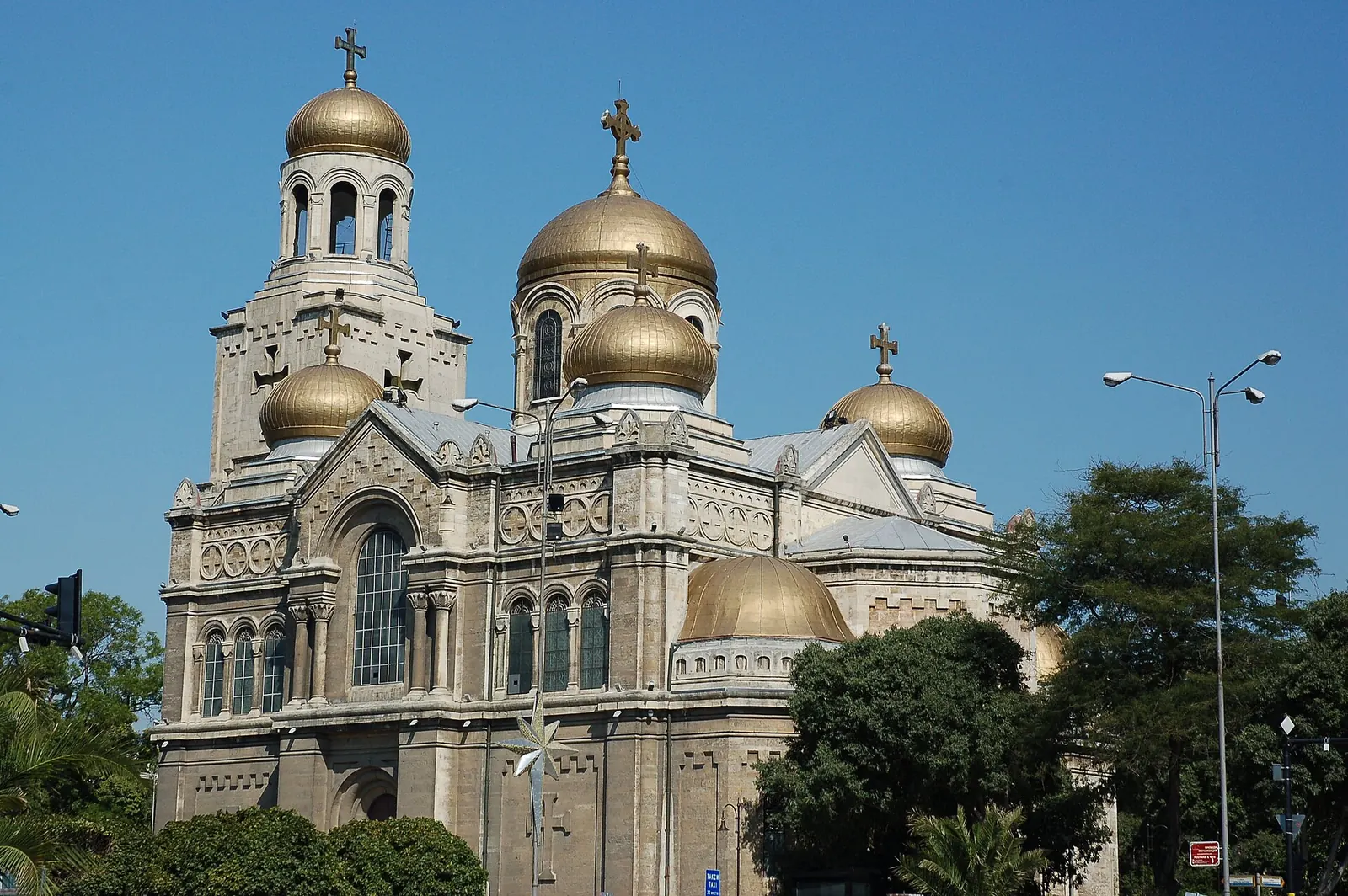 Varna and the north coastVarna: Sea Garden, Roman Baths and Necropolis GoldBulgaria’s sea capital: a long park above the beaches, huge Roman baths and one of the oldest worked gold treasures in the world.
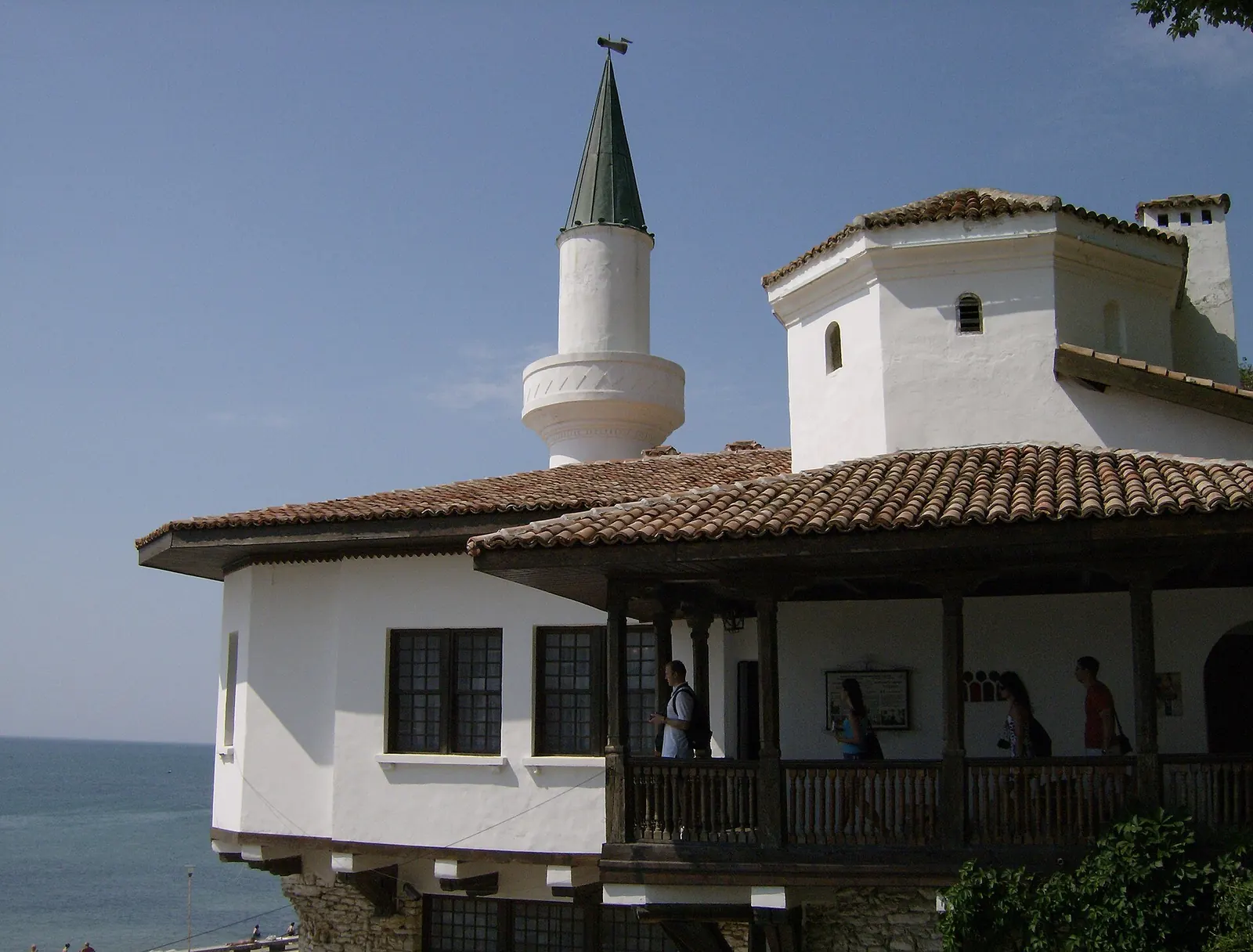 Varna and the north coastQueen Marie’s Palace and Botanical Garden, BalchikThe Romanian queen’s summer residence on terraces above the sea: a white villa with a minaret, stone stairs, waterfalls and a big cactus garden.
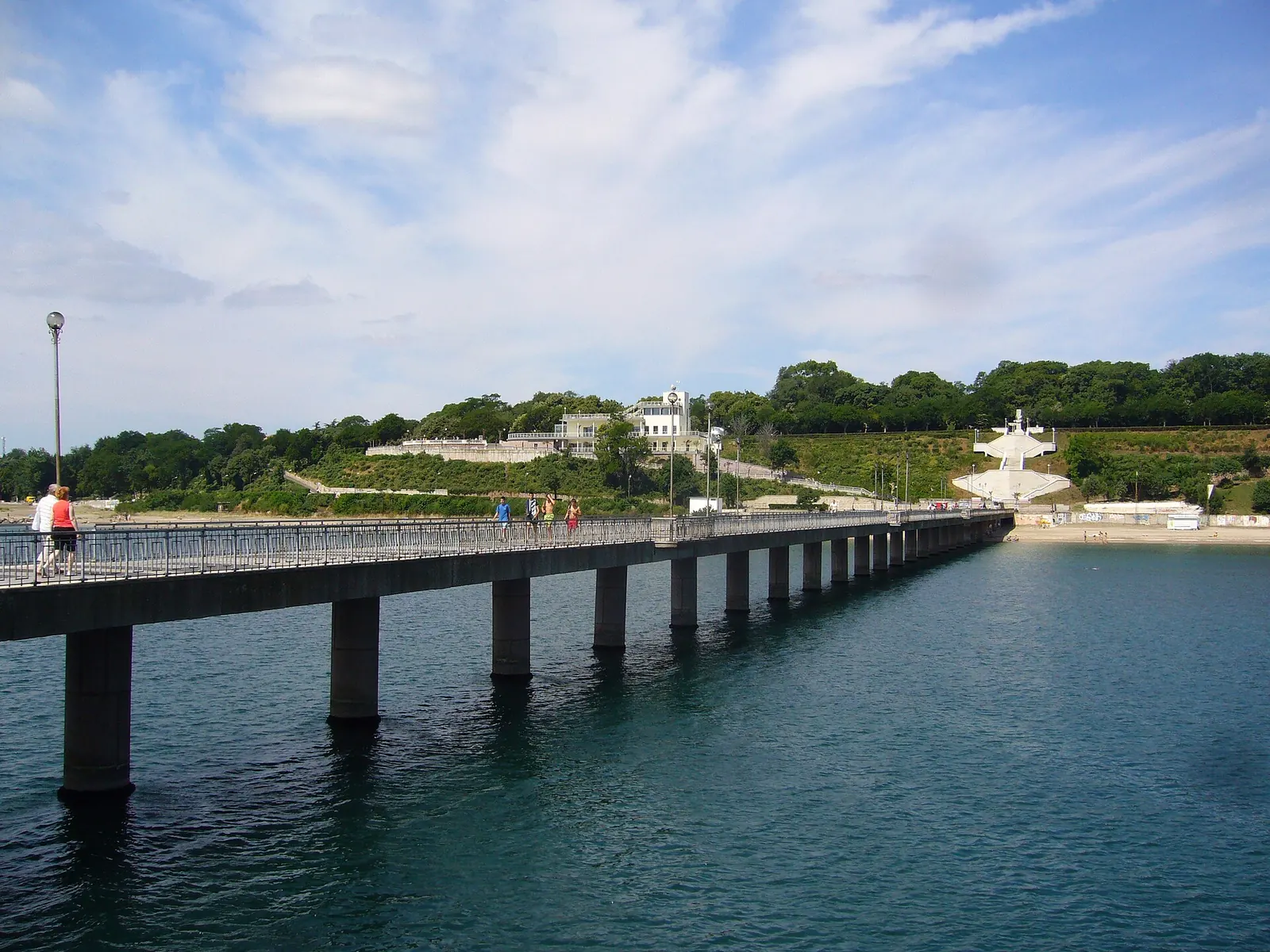 Burgas and the south coastBurgas: Sea Garden, St Anastasia Island and Salt LakesA relaxed seaside city with a park above the beach, a monastery island in the bay and pink salt lakes with healing mud.
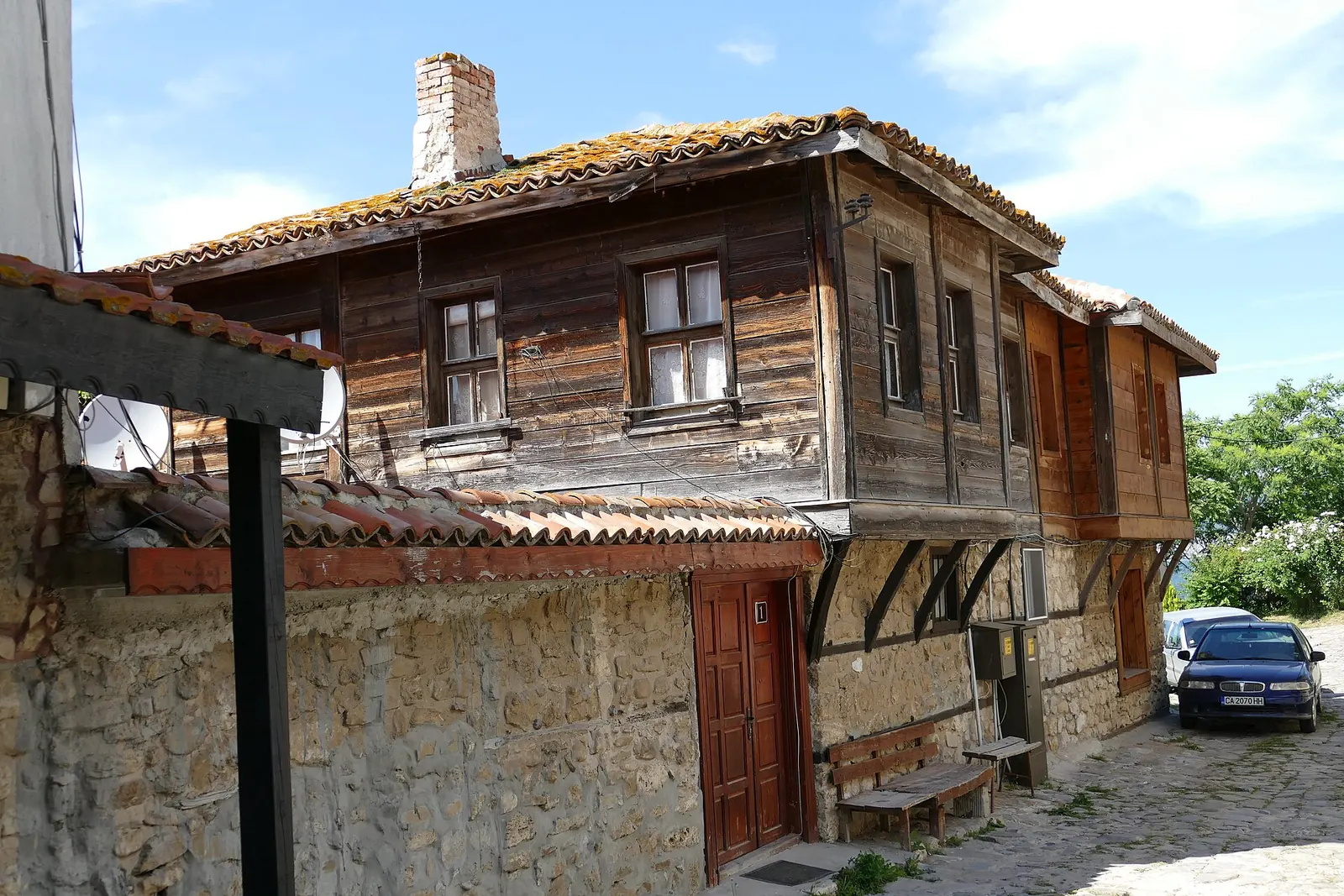 Burgas and the south coastNessebar Old TownA museum town on a rocky peninsula: medieval churches, wooden houses and narrow lanes — a UNESCO World Heritage Site since 1983.
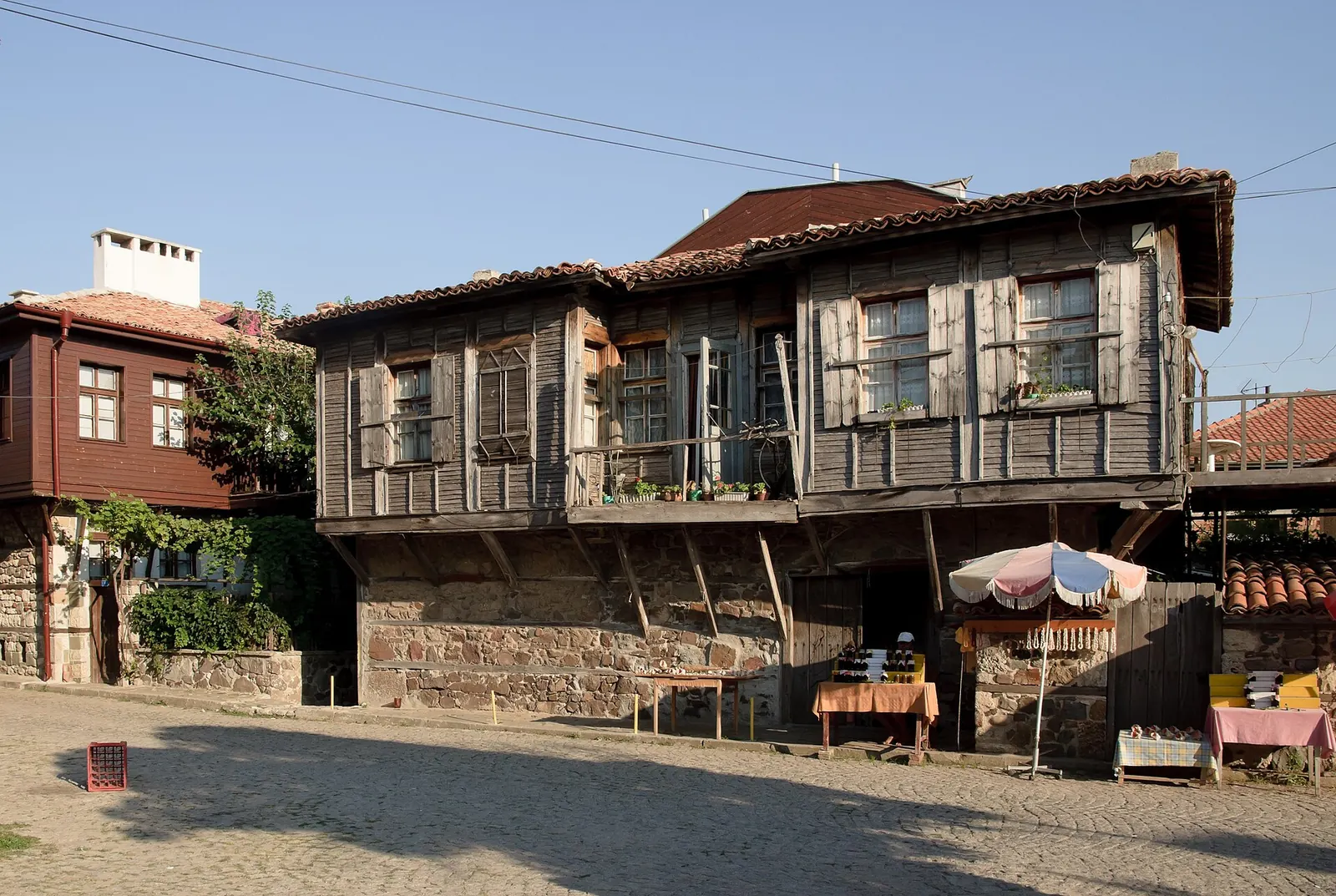 Burgas and the south coastSozopol Old TownThe oldest town on the Bulgarian coast: wooden houses above the rocks, a fortress wall by the sea and islands on the horizon.
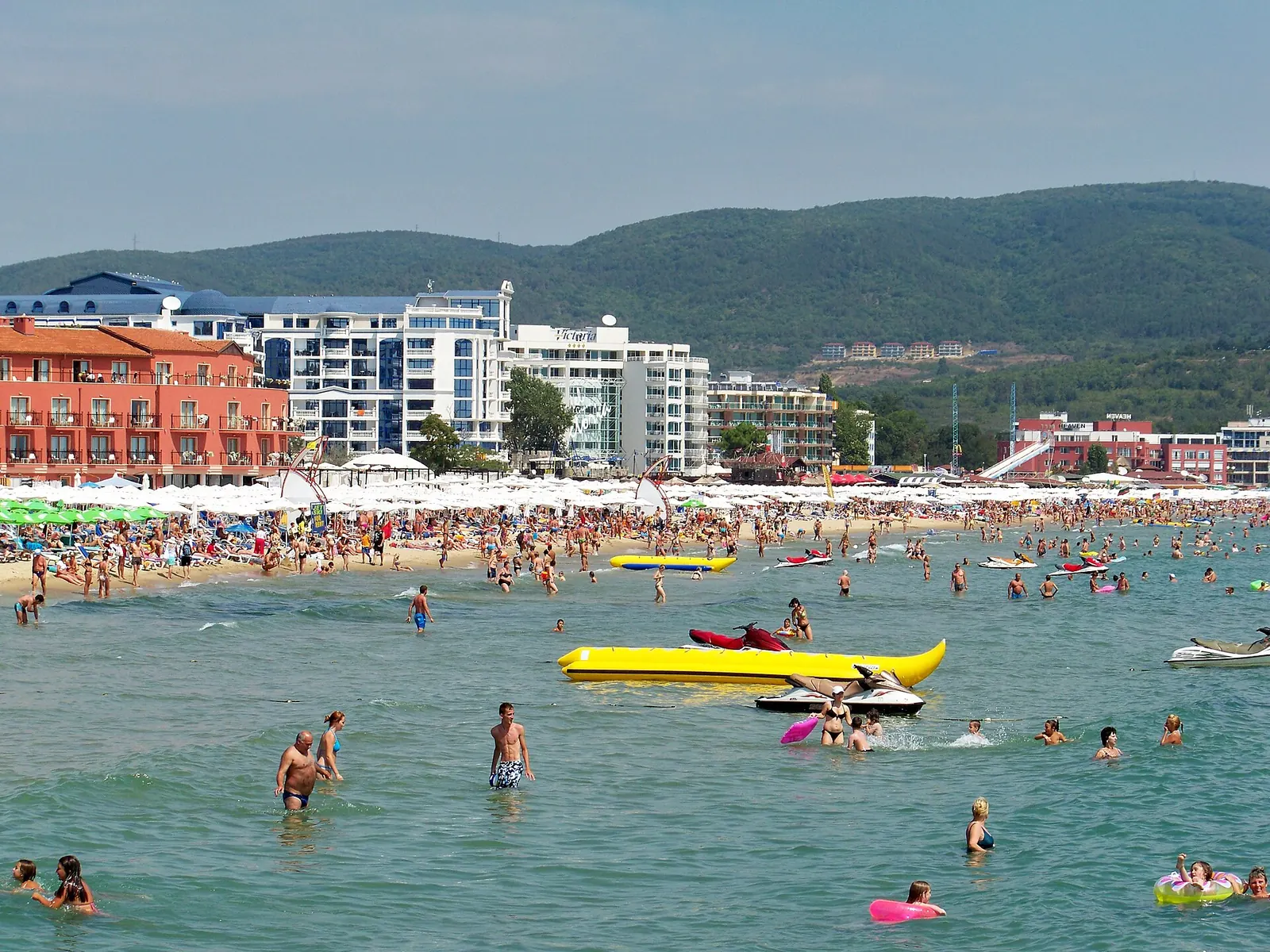 Burgas and the south coastSunny BeachBulgaria’s biggest resort: a long fine-sand beach, hundreds of hotels, water parks — and nightlife that is not for everyone.
Questions and answers
Where is the sea warmer?
Barely any difference — about 24–26 °C in July–August.
Closest airport to Sunny Beach?
Burgas, about 30–40 minutes.